
IMS Logo
IMS Security
Home›Security Encyclopedia›How Data Center Physical Security & Biometric Mantraps Work
🖧 Types of Security Services⏱️ 11 min readKnowledge Level: Advanced Tech

How Data Center Physical Security & Biometric Mantraps Work

Tier IV Concentric Security Zones, Anti-Tailgating Mantraps, Iris Biometrics & CCTV Archival

← Explore All 121 Topics
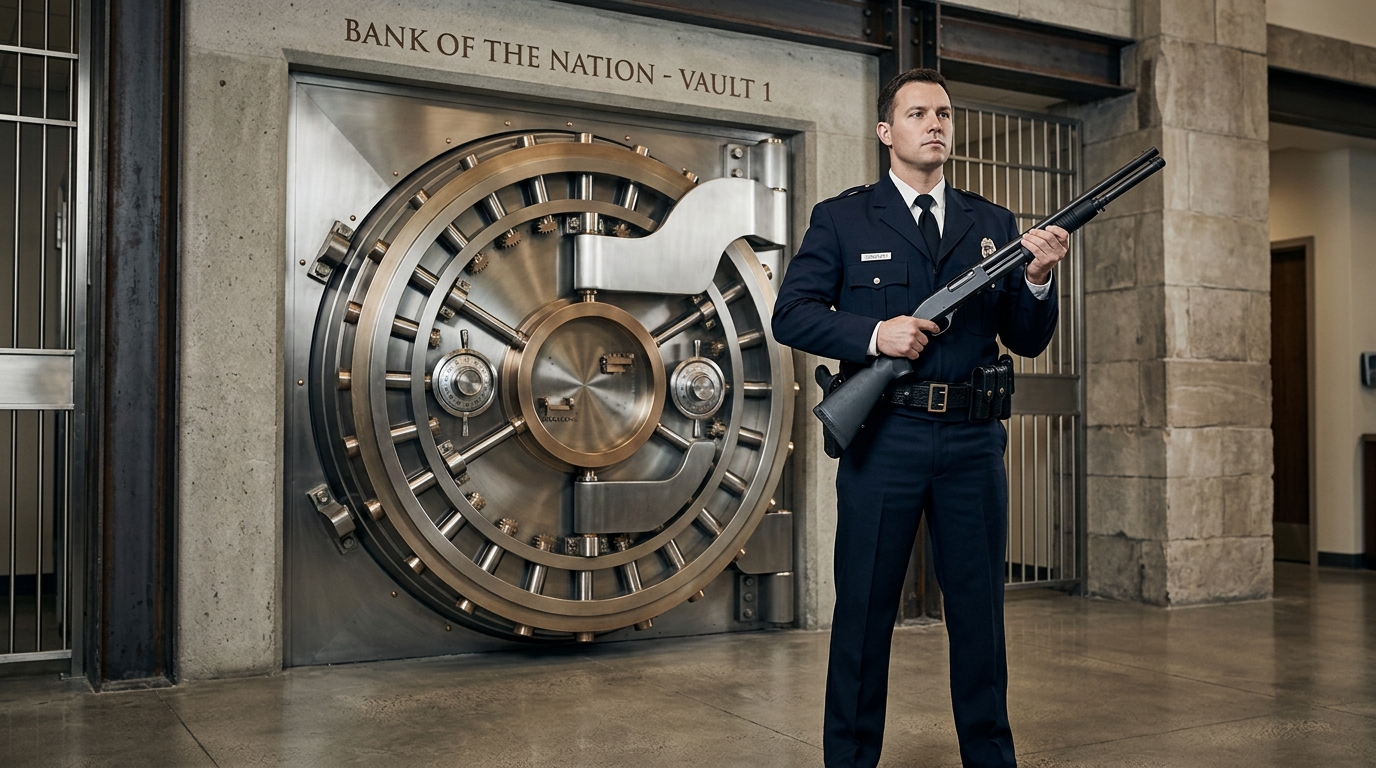
How Data Center Physical Security & Biometric Mantraps Work - Armed security officer with licensed firearm guarding bank strongroom steel time-lock vault door
PRIMARY OPERATIONAL DEPLOYMENT VIEW
📷 Armed sentry positioning at dual-custody strongroom vaults and high-value cash transit airlocks.
🔬 SYSTEM ARCHITECTURE & OPERATIONAL BLUEPRINT

How Data Center Physical Security & Biometric Mantraps Work — Technical Workflow Schematic

DOMAIN VECTOR SCHEMATIC
OUTER DOOR 1💳Mifare DESFire EV3Card Tap / 3D FaceDoor 1 UnlocksAIRLOCK INTERLOCK CHAMBERFLOOR LOAD SENSOR: 1 PERSON• Optical Anti-Tailgating Overhead Grid• Door 1 MUST fully seal before Door 2 arms• 3D Contactless Iris Scanner VerificationSingle Occupancy Confirmed (100%)INNER DOOR 2🖧Electromagnetic MaglockReleases (1200 lbs hold)Entry into Mission-Critical Vault
Operational Diagram: Technical signal flow, procedural verification steps, and hardware architecture for How Data Center Physical Security & Biometric Mantraps Work.
📐 System Engineering & Operational FlowSTEP-BY-STEP WORKFLOW

Tier IV Interlocking Airlock Mantrap & Biometric Security

Physical interlocking access mechanism enforcing single-person entry to mission-critical vaults

1 / 5
STAGE 01 OF 05• Outer Access Sub-System

Encrypted RFID Card Tap

Authorized engineer scans 13.56 MHz Mifare DESFire card at outer entry turnstile.

Key Protocols:✓ AES-128 Encrypted✓ Anti-Passback✓ OSDP v2 Protocol
Anti-Tailgating Guarantee
100% Single-Occupant Rate
Biometric Accuracy (FAR)
< 0.0001% False Accept
Airlock Transit Cycle
4 - 6 Seconds
Fail-Safe Mode
Auto-Release on Fire Alarm
💡 Key Engineering & Operational Takeaways
  • •Core Working Principle: Interlocking dual-door airlock mantrap: Door 2 cannot physically release until Door 1 is fully sealed, and optical/weight sensors verify exactly 1 occupant.
  • •Operational Flow: Chronological 5-phase execution sequence from sensory detection to verified incident closure.
  • •Component Architecture: Hardware sensors, controllers, communication protocols, and human verification checkpoints.
  • •Standards & Compliance: Built to PSARA 2005, ISO 9001:2015, and international safety/engineering guidelines.
🛡️ Defense-in-Depth Physical Security Architecture

Interactive 5-Layer Security Shield Simulator

Explore how enterprise facilities achieve impenetrable physical security through 5 synchronized concentric defense rings.

🧱
Layer 1 Defense Layer

Outer Perimeter & Boundary Wall

Active Ring #1
Hardware & Technology Stack:
PIDS Fiber-Optic Cable, Thermal FLIR & Razor Wire
Standard Operating Protocol & Automated Action:

Detects climbing, cutting, or ladder intrusion before boundary breach occurs. Triggers pan-tilt-zoom PTZ cameras automatically to the breach coordinate.

1. Core Working Principle & Technical Mechanism

Understanding How Data Center Physical Security & Biometric Mantraps Work begins with recognizing how physical security engineering combines physics, electronics, and operational procedures to mitigate risk.

A technical deep-dive into Tier IV data center physical protection: interlocking airlock mantraps with weight floor sensors, iris recognition algorithms, and 90-day 4K CCTV retention.

🔬 How It Works: Interlocking dual-door airlock mantrap: Door 2 cannot physically release until Door 1 is fully sealed, and optical/weight sensors verify exactly 1 occupant.

2. System Architecture & Component Breakdown

The system operates through four tightly synchronized sub-systems:

  • Primary Sensing & Input Layer: Physical checkpoints, optical lenses, infrared beams, or sentry inspection tools that capture raw event data.
  • Processing & Logic Controller Layer: Microcontrollers, digital video recorders (NVRs), biometric access panels, or guard supervisors that evaluate the input.
  • Action & Physical Actuation Layer: Motorized boom barriers, magnetic door locks, loud sirens, walkie-talkie dispatches, or defensive guard movements.
  • Audit & Archival Layer: Time-stamped electronic registers, CCTV cloud recordings, and incident logbooks preserving tamper-evident records.

3. Step-by-Step Chronological Operational Workflow

In practice, the system follows a 5-step operational workflow whenever an event occurs:

  1. Phase 1 — Event Initiation & Detection: A vehicle, person, or environmental hazard reaches the designated physical or virtual boundary.
  2. Phase 2 — Verification & Authentication: Credentials (RFID badge, biometric face, delivery challan, or vehicle license plate) are checked against authorized databases.
  3. Phase 3 — Decision & Actuation: If verified, access is granted and logged; if anomalous, automated barrier interlocks engage and alarm triggers notify security.
  4. Phase 4 — Sentry Intervention & Escalation: Guards conduct secondary physical frisking or investigate the trigger using two-way radio channels.
  5. Phase 5 — Incident Logging & Resolution: The full interaction is permanently recorded with time stamps, photo snapshots, and supervisor sign-offs.
💡 Real-World Scenario: An engineer scans their iris in Chamber 1: the floor load cell confirms a single person (82 kg), Door 1 latches shut, and Door 2 to the server hall unlocks.

4. Technical Specifications, Protocols & Industry Standards

Professional deployments adhere to globally recognized engineering and security standards:

  • Communication Protocols: Wiegand 26/34-bit, OSDP v2 (Open Supervised Device Protocol), ONVIF Profile S/G/T for video streams, and TCP/IP encrypted TLS 1.3 networks.
  • Physical Security Standards: PSARA 2005 statutory licensing, ISO 9001:2015 quality management, and National Building Code (NBC) egress regulations.
  • Environmental & Ingress Protection: IP66/IP67 weatherproof housings, IK10 vandal-proof ratings, and industrial surge protection up to 6kV.

🔬 System Components, Working Mechanism & Failover Matrix

Sub-System ComponentPrimary FunctionWorking MechanismFailover / Redundancy Mode
Sensing / Input UnitEvent & Intrusion CaptureOptical, infrared, seismic, or human sentry detection🛡️ Dual-redundant secondary sensor or CCTV visual confirmation
Logic & Access ControllerAuthentication & Rule EngineCompares inputs against whitelist/blacklist database in < 200ms🛡️ Offline memory buffer storing up to 50,000 events during network loss
Physical Barrier / ActuatorIngress Prevention & Flow ControlMotorized gates, electromagnetic locks, or sentry barricades🛡️ Fail-secure mechanical key override & UPS emergency battery backup
Communication LinkReal-Time Alert DispatchEncrypted VHF radio, RS-485 OSDP, and Cat6 Ethernet telemetry🛡️ Automatic GSM/4G cellular failover if LAN cable is severed
Audit & Archival EngineChain of Custody & ComplianceDigital database logs, NVR video indexing & hardbound registers🛡️ Encrypted cloud replication & write-once-read-many (WORM) storage
🧠
Interactive Knowledge Check

Test What You Learned About How Data Center Physical Security & Biometric Mantraps Work

1. What is the primary function of the detection layer in how data center physical security & biometric mantraps work?
2. How does the system maintain security if the main network or power drops?
❓ Technical & Operational FAQs

Frequently Asked Questions on How Data Center Physical Security & Biometric Mantraps Work

Related Security Knowledge Guides

📖 Technical Reference

How Data Center Physical Security & Biometric Mantraps Work

Part of the 121-topic open security knowledge encyclopedia covering physical guarding, AI sensors, access control, and PSARA standards.

📚 Browse All 121 Topics

📐 Applicable Industry Standards

  • • PSARA Act 2005 Statutory Rules
  • • ISO 9001:2015 Quality Management
  • • ISO 18788 Security Operations Standard
  • • National Building Code (NBC 2016) Fire Code

Explore Domains

Free Quote